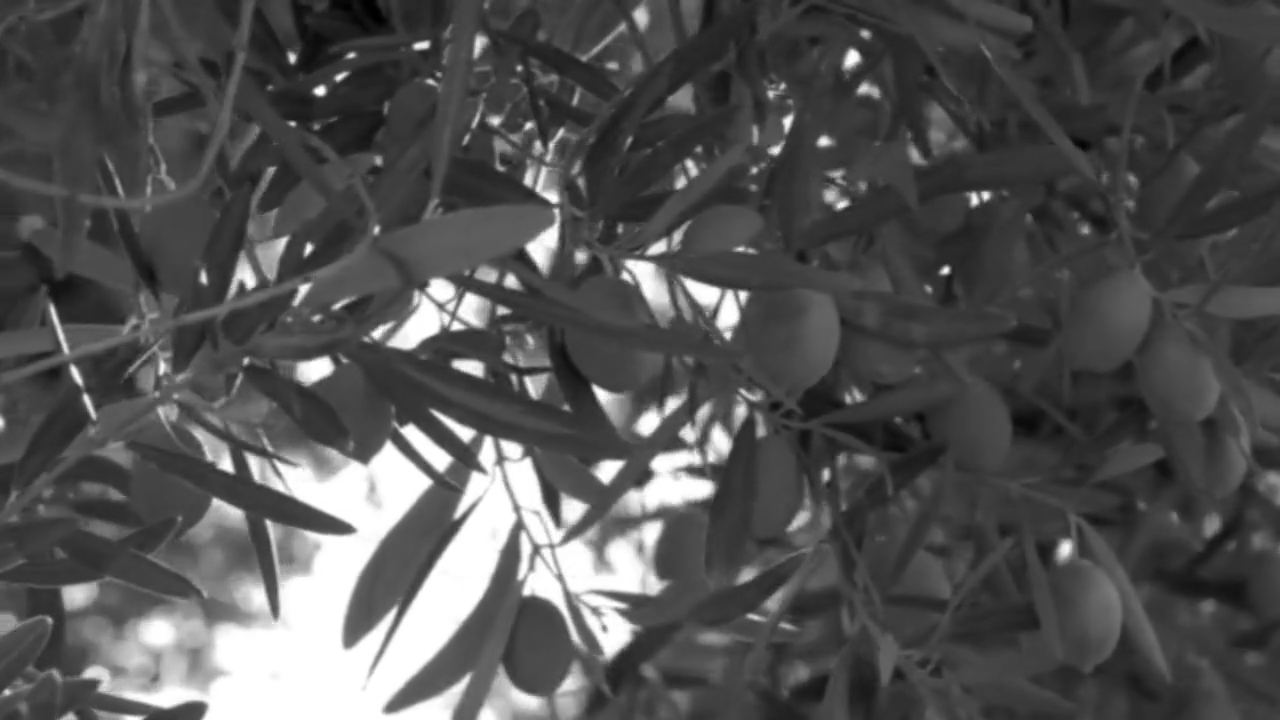
Anyone arriving in Corfu quickly notices that olive trees are everywhere. They cover hillsides, surround villages and create the cool, silver-green landscape that distinguishes Corfu from many other Greek islands.
These groves are not merely beautiful scenery. Olive cultivation has influenced Corfu’s economy, food, family traditions and relationship with the land for centuries.
Olive trees have existed in Greece since prehistoric times, but Corfu’s present landscape was shaped particularly strongly during the centuries of Venetian rule.
The Venetian administration encouraged the expansion of olive cultivation, gradually replacing other crops in many areas. Academic research on Corfu’s agricultural history describes olive oil as becoming one of the island’s most important products as olive groves continuously expanded. By the end of the Second World War, olive trees covered more than half of Corfu’s cultivated land.
This history explains why many Corfiot olive groves do not resemble modern, evenly planted agricultural fields. The trees often grow on old terraces, slopes and irregular pieces of family land, creating the impression of a natural forest.
The Lianolia olive of Corfu
The characteristic local olive variety is known as Lianolia Corfu.
It produces an olive oil generally associated with a relatively delicate texture, mild flavour and refined aftertaste. Corfu’s official tourism organisation identifies Lianolia olive oil as one of the island’s most important local products.
Lianolia trees can grow tall and slender. Traditionally, many olives were allowed to ripen and fall naturally before being collected from nets beneath the trees. Modern producers seeking premium extra-virgin olive oil increasingly harvest earlier and process the olives quickly, helping preserve freshness, aromas and valuable natural compounds.
The result can vary considerably according to harvest time, growing conditions and milling methods. Some Corfiot oils are soft and subtle, while early-harvest oils may be greener, fruitier, more bitter and slightly peppery.
Olive oil and everyday life in Corfu
For generations, olive oil was much more than a cooking ingredient. It provided families with food, income and, historically, fuel for lighting.
Today it remains central to the Corfiot kitchen. It is used in salads, vegetables, pulses, fish dishes, sauces and traditional recipes. It can also be enjoyed very simply with fresh bread, tomatoes, herbs or cheese.
Corfiot food reflects both Greek Mediterranean traditions and the island’s long Venetian influence. Olive oil is one of the ingredients connecting these different parts of Corfu’s culinary identity.
The beauty of Corfu’s olive groves
Corfu’s olive trees are important not only agriculturally but visually and environmentally.
Their twisting trunks, high branches and pale leaves form a shaded landscape that changes with the light. In summer, the groves provide relief from the heat. After rain, they become darker, greener and more atmospheric.
Many of the island’s roads and walking paths pass through olive-covered hills. These landscapes are especially characteristic around traditional villages and across western and southern Corfu.
For visitors, the olive groves reveal a quieter side of the island—one shaped by agriculture, seasons and family ownership rather than beaches and tourism alone.
When are olives harvested in Corfu?
The harvest period normally begins during autumn and may continue into winter, depending on the producer, location and desired type of oil.
Earlier harvesting tends to produce less oil but can create stronger aromas and higher-quality extra-virgin oil. Later harvesting generally produces a greater quantity, although the olives require careful handling to protect the quality.
After harvesting, the olives are taken to a mill, where they are cleaned, crushed and processed to separate the oil from water and solid material. The speed between harvesting and milling is an important factor in producing fresh, high-quality olive oil.
Can visitors experience olive-oil production in Corfu?
Yes. Visitors can explore olive-oil museums, working mills, historic presses and organised tastings across Corfu.
The island’s official tourism site highlights several places connected with olive culture, including historic trees and olive mills or museums that explain traditional and modern production.
We strongly recommend visiting The Governor in Agios Mathaios village next to us
During a tasting, visitors can learn to identify:
- fruitiness and freshness;
- bitterness;
- the peppery sensation created by some oils;
- defects caused by poor storage or processing;
- differences between ordinary and extra-virgin olive oil.
Visiting a local producer is one of the best ways to understand that olive oil is not simply one uniform product. Its character depends on variety, soil, weather, harvest timing, production and storage.
What should you look for when buying Corfu olive oil?
Look for oil that clearly identifies:
- the producer;
- the geographical origin;
- the olive variety;
- the harvest date or production period;
- whether it is extra virgin;
- appropriate dark or light-protective packaging.
Freshness and correct storage are essential. Olive oil should be protected from excessive light, heat and air. A beautiful transparent bottle may look attractive, but darker packaging usually protects the oil better.
Buying directly from a reputable Corfiot producer also gives visitors an opportunity to understand where the olives grew and how the oil was made.
Olive oil and a stay at Mimi & Coco Villas
The olive landscape is part of the wider experience of southwest Corfu, where Mimi & Coco Villas is located.
Guests staying at the villas can combine time near the beach and private pool with visits to traditional villages, olive-growing areas and local producers. The owners’ recommendations can help visitors find authentic food and experiences beyond the island’s most familiar tourist stops.
Olive oil can also connect naturally with the homemade breakfast experience at Mimi & Coco. At Mimi & Coco you may taste the olive oil we produce but also the one from The Governor Olive Mill.
Why Corfu’s olive trees matter
Corfu’s olive groves tell the story of an island transformed by history and agriculture.
They shaped the land, supported generations of families and became inseparable from local cooking and identity. Today, they remain one of the most beautiful features of Corfu and an important connection between its past and its future.
To understand Corfu fully, visitors should look beyond the coastline. They should walk beneath its olive trees, taste oil made from the local Lianolia variety and discover the people who continue to care for this centuries-old landscape.